
articles

A Consumer Guide to Herbs, Medicinal Herbs, and the Therapeutic Uses of Cannabis
In recent years, consumers have shown a growing curiosity about natural wellness solutions. Herbs, medicinal plants, and cannabis are increasingly recognized not as fringe remedies, but as meaningful tools in integrative health. As people seek alternatives to synthetic pharmaceuticals and explore gentler approaches to balancing the body, plant medicine has surged into the mainstream.
Yet with this growth comes confusion. What’s the difference between culinary herbs and medicinal ones? How exactly does cannabis support wellness? What should consumers know before navigating this world of botanicals?
This article offers a clear, accessible overview to help consumers better understand herbs, medicinal herbs, and the therapeutic uses of cannabis.
Understanding Herbs: From Kitchen Staples to Botanical Allies
Herbs are plants valued for their flavor, aroma, and wellness properties. Many people encounter herbs first in the kitchen—basil, oregano, rosemary, thyme—and often overlook the potent therapeutic qualities these plants possess.
Culinary Herbs With Wellness Benefits
Even everyday culinary herbs offer health-supportive actions:
Basil: contains antioxidants and essential oils that support immune function.
Rosemary: beneficial for memory, focus, digestion, and circulation.
Thyme: naturally antimicrobial and supportive for respiratory health.
Oregano: rich in carvacrol, known for its antibacterial and antiviral potential.
Though mild, these herbs demonstrate the principle that plants contain bioactive compounds—nutrients, antioxidants, phytochemicals—that influence the body in measurable ways.
Medicinal Herbs: Stronger Botanical Therapeutics
Medicinal herbs refer to plants used intentionally for therapeutic effects. Many have been central to traditional healing systems such as Traditional Chinese Medicine, Ayurveda, and Indigenous and folk herbalism throughout the world. Today, scientific research increasingly validates their traditional uses.
Examples of Common Medicinal Herbs
1. Ashwagandha
A powerful adaptogen used to help regulate stress, promote calm, and support hormone balance. Research suggests it may reduce cortisol levels and improve sleep.
2. Turmeric (Curcuma longa)
Rich in curcumin, known for anti-inflammatory and antioxidant activity. Often used for joint health, metabolic support, and general inflammation reduction.
3. Echinacea
Traditionally used to support immunity and shorten the duration of colds.
4. Ginger
A digestive powerhouse, ginger helps with nausea, bloating, inflammation, and circulation.
5. St. John’s Wort
Commonly used for mild to moderate depression. It interacts with many medications, so consumers must use it with caution.
6. Milk Thistle
Used to support liver detoxification and protect hepatic tissues.
These herbs work through diverse mechanisms: regulating stress hormones, reducing inflammation, influencing neurotransmitters, protecting cells, and modulating the immune system. For consumers, the key is understanding that “natural” does not always mean “gentle”—medicinal herbs can be potent, and proper dosing and safety considerations matter.
Herbalism Today: Integrative, Accessible, and Personalized
Modern herbalism blends traditional knowledge with scientific insight. Consumers now access herbal medicine through:
Tinctures
Capsules
Teas
Powders
Topicals
Aromatherapy oils
A shift is happening from one-size-fits-all wellness to personalized botanical support. This aligns with the broader movement toward integrative health, where herbs complement nutrition, lifestyle changes, stress management, and sometimes conventional medicine.
Still, quality varies widely across brands. Consumers should seek:
Products with third-party testing
Clear labeling (botanical name, extraction method, dosage)
Transparency in sourcing
Responsibly harvested or organically grown herbs
Cannabis: A Modern Return to an Ancient Medicine
Among all medicinal plants, few have undergone as dramatic a transformation in public perception as cannabis. Once stigmatized or misunderstood, cannabis is now researched extensively for its therapeutic potential and widely used for both medical and wellness applications.
Cannabis contains over a hundred active compounds—cannabinoids, terpenes, and flavonoids—which interact with the body’s endocannabinoid system (ECS). The ECS helps regulate mood, pain sensation, sleep, immune function, digestion, and inflammation.
Key Cannabinoids
1. THC (tetrahydrocannabinol)
The primary psychoactive component, responsible for the “high.” THC has well-documented therapeutic uses for pain, nausea, muscle spasms, appetite stimulation, and sleep.
2. CBD (cannabidiol)
Non-intoxicating and widely used for anxiety, inflammation, pain, and general wellness. CBD modulates the ECS without creating a euphoric effect.
3. CBG (cannabigerol)
Often called “the mother cannabinoid,” CBG may support mood, inflammation, and gut health.
4. CBN (cannabinol)
A mildly sedating cannabinoid frequently used in sleep products.
These compounds do not act alone. Through the entourage effect, cannabinoids and terpenes work synergistically to enhance therapeutic benefit.
Therapeutic Uses of Cannabis: Evidence-Based Benefits
Cannabis is not a cure-all, but research supports a wide range of therapeutic applications that consumers increasingly turn to.
Pain Management
One of the most documented uses of cannabis is pain relief—especially neuropathic pain. Many consumers use THC, CBD, or balanced blends to reduce chronic pain, inflammation, migraines, or musculoskeletal issues.
Stress, Anxiety, and Mood Regulation
CBD has gained popularity for its calming effects without impairment. Low-dose THC and certain terpenes (like linalool and limonene) also contribute to stress relief and mood support.
Sleep Support
Indica-dominant cannabis strains, CBN products, and THC/CBD combinations may improve sleep quality, reduce time to fall asleep, and support deeper rest.
Digestive Health and Nausea
Cannabis has long been used to reduce nausea, especially in chemotherapy patients. THC can stimulate appetite, while CBD supports gut inflammation and motility.
Inflammation and Immune Modulation
Both cannabinoids and terpenes have anti-inflammatory actions, useful for chronic conditions involving inflammation.
Neurological Applications
Research is ongoing for epilepsy (especially CBD for seizure reduction), neurodegenerative conditions, and traumatic brain injuries.
Hemp vs. Cannabis: What Consumers Should Know
Many consumers are confused by the difference between hemp and cannabis. Legally, hemp is defined as cannabis with less than 0.3% THC, while “cannabis” is a broad term for the plant species as a whole.
Key distinctions:
Hemp → rich in CBD, low in THC
Cannabis (marijuana) → may contain higher THC levels
Both contain cannabinoids, terpenes, and beneficial compounds
Hemp-derived CBD is widely accessible, even in non-legal states
Consumers should check Certificates of Analysis (COAs) to confirm cannabinoid content, purity, and safety.
Choosing the Right Cannabis or Herbal Product
Because the modern wellness market is vast—and sometimes overwhelming—consumers benefit from understanding how to make informed choices.
1. Identify the desired effect
Is the goal stress relief? Sleep? Pain management? Digestive support? Each herb or cannabinoid has different effects.
2. Start with low doses
This is especially true with THC, where individual sensitivity varies significantly.
3. Choose reputable brands
Look for third-party lab testing, full ingredient transparency, and consistency in formulation.
4. Understand delivery methods
Tinctures are fast-acting and easy to dose.
Capsules offer slow, steady absorption.
Edibles last longer but take longer to kick in.
Vape products work quickly but may not suit all users.
Topicals are excellent for localized pain.
5. Consider interactions
Herbs and cannabinoids can interact with medications, especially those processed by the liver. Consumers with existing medical conditions should speak with a knowledgeable provider.
Where Herbalism and Cannabis Intersect
Cannabis is increasingly viewed as part of the broader herbal medicine landscape. Consumers often combine cannabis with other herbs to create synergistic effects—for example:
CBD + ashwagandha for stress
THC + chamomile for sleep
Cannabis + turmeric for inflammation
CBD + peppermint for digestion
Cannabis + lavender for calming and mood
This integrative approach reflects a growing movement toward plant-based wellness that supports the whole person—mind, body, and nervous system.
The Future of Botanical Wellness
As consumer interest in herbs and cannabis rises, so does the sophistication of the industry. We’re seeing:
More clinical research
Better product standardization
Increased education and transparency
The rise of personalized botanical protocols
A shift toward full-spectrum, whole-plant formulations
Consumers are becoming more empowered, learning to evaluate and choose herbs and cannabis products not through hype, but through understanding.
Final Thoughts
Herbs and medicinal plants—including cannabis—have supported human health for thousands of years. Modern science is beginning to validate what traditional cultures long understood: that plants contain powerful compounds capable of supporting healing, balance, and resilience.
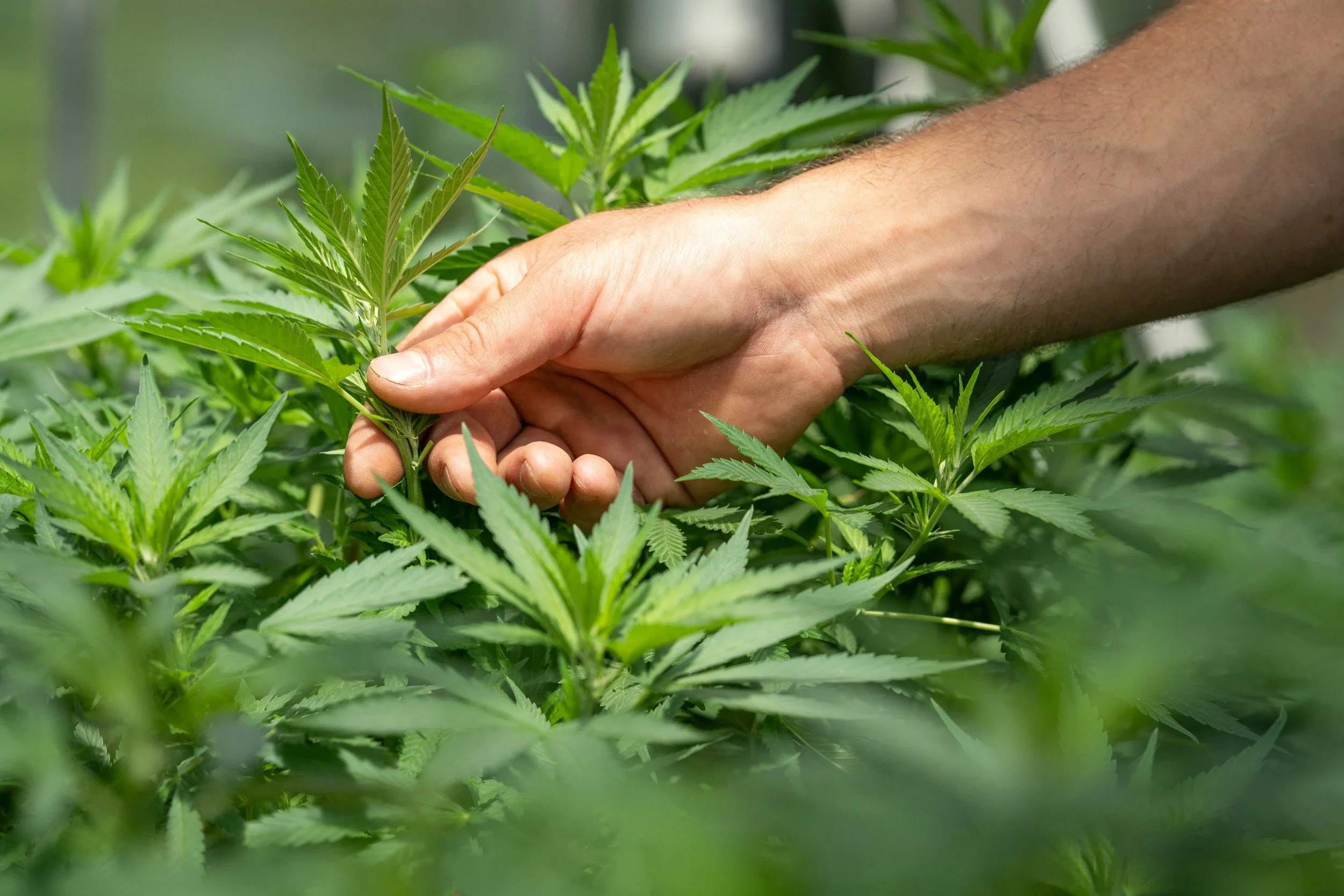
The Evolving Landscape of Health & Wellness: Nutrition, Medicinal Herbs, and the Therapeutic Promise of Cannabis, Hemp, and Cannabinoids
In the past two decades, the global landscape of health and wellness has undergone a profound transformation. The shift has been fueled by a combination of increased access to scientific research, a growing interest in personalized medicine, and widespread public curiosity about natural therapies. Individuals are no longer satisfied with conventional symptom-based healthcare—they want to understand the root causes of imbalance, and they seek solutions that integrate physical, mental, and emotional wellbeing.
Within this holistic movement, three domains have emerged as powerful pillars of transformation: nutrition, medicinal herbs, and cannabis/hemp-derived therapeutics. Together, they represent a bridge between ancient healing traditions and modern evidence-based medicine. This article explores each of these fields—where they come from, how they function in the body, and why they’ve become central to a more integrated future of health.
I. Nutrition as a Foundation of Health
The Rise of Functional Nutrition
Nutrition has always been the foundation of human health. But recent advancements in nutritional science have moved us beyond simple macronutrient counting (proteins, fats, carbohydrates). Today, many health practitioners focus on functional nutrition—an approach that looks at foods for their ability to influence cellular health, inflammation, detox pathways, gut microbiome balance, hormonal stability, and mental wellbeing.
Functional nutrition recognizes that:
Food communicates with our genes.
Nutrient deficiencies can manifest as mood or cognitive issues.
The gut microbiome affects immunity, weight, digestion, and emotional resilience.
Individual needs vary based on genetics, lifestyle, environment, and stress levels.
Gut Health and the Microbiome
One of the most significant scientific breakthroughs of the century has been our deeper understanding of the human microbiome—the trillions of bacteria, fungi, and microbes that live in our digestive tract.
The microbiome influences:
Immune system regulation
Inflammation levels
Metabolism and weight
Neurotransmitter production
Stress response and mood
Dysbiosis, or imbalance in the gut, is increasingly linked to chronic conditions such as IBS, anxiety, autoimmune disorders, food sensitivities, and skin issues. As a result, nutrition today often prioritizes gut-supportive foods like fermented vegetables, prebiotic fiber, polyphenol-rich berries, omega-3 fats, and herbal bitters that support digestive fire.
Plant-Forward Diets and Personalized Approaches
There is no one “perfect” diet—because no two bodies are identical. However, a consistent trend has emerged: plant-forward eating patterns rich in whole, minimally processed foods tend to promote longevity, reduce inflammation, and protect cardiovascular and metabolic health.
Key nutritional principles in modern wellness include:
Eating nutrient-dense whole foods
Reducing refined sugar and processed seed oils
Emphasizing healthy fats (olive oil, avocado, nuts, seeds)
Including a variety of colorful plants for antioxidants
Supporting liver detoxification with cruciferous vegetables
Balancing blood sugar through fiber and protein
These foundations vary depending on individual needs: some people thrive on Mediterranean eating, some on ancestral/paleo patterns, others on plant-based approaches. The future of nutrition will likely continue moving toward bio-individuality, informed by genetic testing, microbiome analysis, and personalized biomarkers.
II. Medicinal Herbs: Nature’s Oldest Pharmacy
Long before pharmaceuticals existed, humans relied on botanical medicine to soothe, strengthen, and rebalance the body. The use of medicinal herbs spans thousands of years, from Ayurvedic and Traditional Chinese Medicine to Indigenous healing systems worldwide.
Today, herbs remain powerful tools for supporting health—often with fewer side effects than synthetic drugs.
The Philosophy of Herbal Medicine
Herbal medicine doesn't view the body as a machine but as a dynamic ecosystem. Healing involves restoring harmony, nourishing depleted systems, and addressing root causes rather than suppressing symptoms.
Herbs tend to work on:
Nervous system regulation (anxiolytics, adaptogens)
Digestive health (bitters, carminatives, demulcents)
Immune modulation (immunostimulants, antivirals)
Detoxification pathways (liver and kidney support)
Inflammation (anti-inflammatory phytochemicals)
Hormonal balance (phytoestrogens, endocrine adaptogens)
Adaptogens: Stress-Modulating Herbs for Modern Life
Adaptogens have become particularly popular because they support the body’s ability to cope with stress—physical, mental, and environmental.
Common adaptogens include:
Ashwagandha
Rhodiola
Holy basil
Ginseng
Schisandra
Reishi mushroom
Adaptogens help regulate cortisol, stabilize energy, enhance focus, and improve resilience—making them valuable tools in an era characterized by chronic overwhelm and burnout.
Herbs for Immunity and Inflammation
Plants like elderberry, echinacea, ginger, turmeric, garlic, and oregano have long been used as antimicrobials and immune modulators. Many are packed with compounds such as flavonoids, terpenes, and curcuminoids, which have well-documented anti-inflammatory and antioxidant effects.
The Synergy of Herbal Complexes
Unlike isolated pharmaceutical compounds, herbs often contain dozens or hundreds of bioactive ingredients that work synergistically. This is one of the reasons herbal medicine tends to have a broad spectrum of benefits—with nuances that modern science is only beginning to decode.
III. Cannabis, Hemp, and Cannabinoids: A Modern Herbal Revolution
One of the most transformative developments in natural medicine has been the rediscovery of cannabis as a therapeutic plant. Once stigmatized and legally restricted, cannabis is now recognized for its wide range of medicinal benefits—rooted in its complex phytochemistry and its interaction with the human endocannabinoid system (ECS).
Understanding the Endocannabinoid System
Discovered in the 1990s, the ECS is a vast signaling network that helps maintain homeostasis across multiple physiological systems.
It regulates:
Pain perception
Inflammation
Mood and stress response
Sleep cycles
Appetite and metabolism
Immune function
Neuroprotection
The ECS operates through endocannabinoids produced by the body (like anandamide) and receptors (CB1 and CB2) found throughout the brain, immune system, organs, and connective tissues.
Cannabinoids from plants—called phytocannabinoids—interact with the ECS to restore balance when the system is dysregulated.
IV. Therapeutic Uses of Cannabis
Pain Management
Cannabis is widely known for its analgesic effects. THC, CBD, CBG, and other cannabinoids modulate pain signaling in the central nervous system and reduce inflammation. This makes cannabis effective for:
Neuropathic pain
Chronic inflammatory pain (e.g., arthritis)
Cancer-related pain
Muscle spasticity (e.g., multiple sclerosis)
For some, cannabis offers relief that surpasses opioids—without the same risk of addiction or respiratory depression.
Anxiety, Stress, and Mood Regulation
Cannabis interacts with GABA, serotonin, and endocannabinoid pathways involved in emotional regulation. CBD, in particular, has been studied for its anxiolytic and antidepressant properties.
Low doses of THC can also reduce anxiety, though higher doses may produce the opposite effect in sensitive individuals—highlighting the importance of dose and strain selection.
Sleep Support
Cannabinoids can help regulate sleep by reducing anxiety, calming the nervous system, relieving pain, and influencing circadian rhythms. CBN, myrcene, and specific indica-dominant cultivars are often used for insomnia or nighttime relaxation.
Neuroprotection and Brain Health
Cannabinoids may protect neurons from damage caused by inflammation, oxidative stress, or trauma. This has implications for conditions like:
Alzheimer’s disease
Parkinson’s disease
Traumatic brain injuries
Stroke recovery
CBD and THC both demonstrate neuroprotective potential in early research.
Cancer-Related Applications
Cannabis is widely used to manage cancer-related symptoms—nausea, vomiting, appetite loss, neuropathy, and treatment-related pain.
Emerging research also explores the antitumoral potential of cannabinoids, particularly CBD and THC, though more evidence is needed for clinical recommendations.
V. Hemp and Non-Psychoactive Cannabinoids
Hemp-derived cannabinoids, particularly CBD, have exploded in popularity. But CBD is only one of more than 120 cannabinoids present in the plant.
Key Hemp-Based Cannabinoids and Their Benefits
CBD (Cannabidiol): Anti-inflammatory, anxiolytic, neuroprotective, anticonvulsant
CBG (Cannabigerol): Anti-microbial, gut-supportive, anti-inflammatory
CBN (Cannabinol): Sedative, anxiolytic
CBC (Cannabichromene): Mood-supportive, anti-inflammatory
THCV (Tetrahydrocannabivarin): Metabolic balancing, appetite modulation
One of the most significant findings in cannabinoid science is the entourage effect—the phenomenon whereby cannabinoids, terpenes, and flavonoids work synergistically to enhance therapeutic outcomes.
Terpenes: Aromatics with Powerful Effects
Terpenes are aromatic compounds found in cannabis and other plants (citrus, pine, lavender). They influence the psychological and physiological effects of cannabis.
Examples:
Linalool: calming, anti-anxiety
Myrcene: sedative, muscle relaxing
Limonene: uplifting, anti-depressant
Pinene: focus enhancement, bronchodilation
Understanding terpene profiles helps patients and consumers choose strains that best align with their therapeutic goals.
VI. The Future of Integrative Wellness
As research continues, the intersection of nutrition, herbal medicine, and cannabinoid science points toward a new paradigm of healthcare—one that prioritizes prevention, personalization, and wholeness.
1. Moving from Disease Treatment to Health Optimization
The future belongs to systems that:
Identify root causes
Use natural therapies as first-line interventions
Integrate dietary patterns with herbal and cannabinoid therapeutics
Address mental/emotional wellbeing
Empower individuals to understand their unique bodies
2. Personalized Medicine and Genomic Insights
Nutrigenomics, microbiome sequencing, hormonal testing, and cannabinoid receptor profiling will make individualized protocols the norm, not the exception. The integration of cannabis therapeutics with personalized nutrition could revolutionize chronic disease management.
3. The Resurgence of Plant Medicine
From turmeric to reishi to hemp, botanical medicine is experiencing a renaissance. As regulatory barriers continue to shift and scientific exploration expands, herbs and cannabinoids will likely take their place alongside pharmaceuticals as legitimate, evidence-backed interventions.
Conclusion
The realms of nutrition, medicinal herbs, and cannabis/hemp therapies are converging into a comprehensive and holistic approach to wellbeing—one that honors both ancient wisdom and cutting-edge scientific discovery. As more individuals seek natural, sustainable, and personalized ways to heal, this integrated model offers a path toward balance, vitality, and long-term health.
What was once considered alternative is now moving toward the center of modern medicine. And as research continues to deepen our understanding of how plants and nutrients support human physiology, the possibilities for healing are expanding in extraordinary directions.